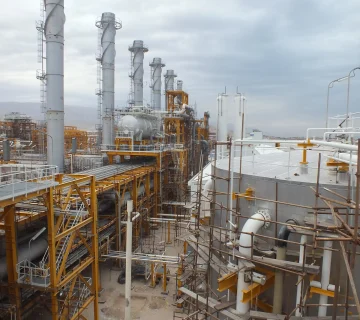
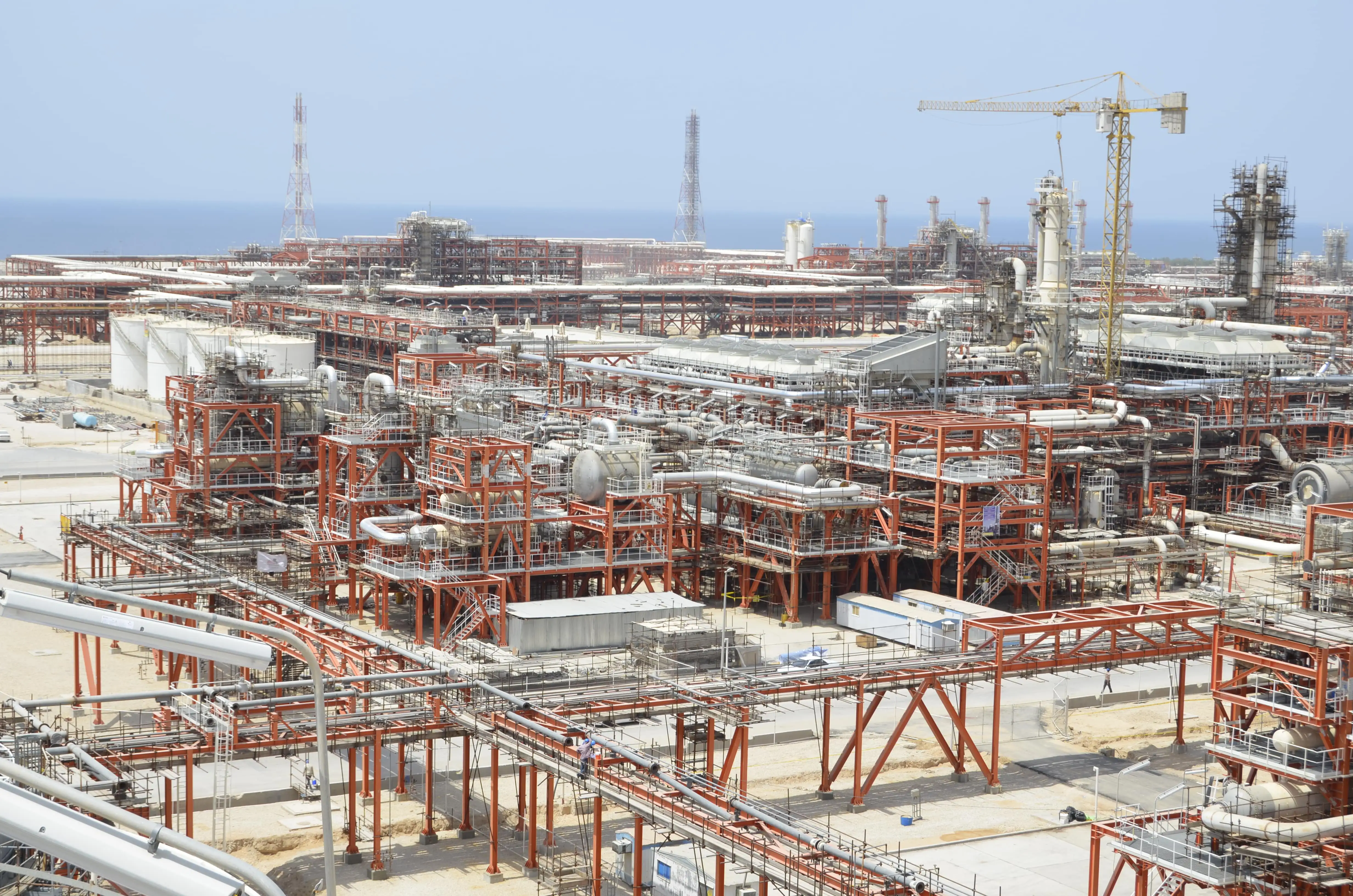
Exir Sanat Company is recognized as one of the leading contractors in the design and execution of industrial piping projects in Iran. By leveraging advanced technical expertise, specialized equipment, and extensive field experience, the company has established a strong position in the field of piping engineering. Exir Sanat Bakhtari executes process piping systems, transmission pipelines, and industrial networks in oil and gas, petrochemical, and mining projects.
The company strictly follows international standards such as ASME B31.3 and ASME B31.8, ensuring consistently high-performance piping solutions.
Among the company’s landmark projects are:
Rehabilitation of steam pipelines at Isfahan Steel Power Plant.
Process piping of the Ethane Recovery Unit at Bandar Imam Refinery.
The 32-inch sour gas pipeline for Phase 14 of South Pars.
Low-temperature piping systems for the Iran LNG project.
Across all these projects, Exir Sanat’s engineering teams have carefully selected piping materials based on specific process conditions and environmental requirements. The teams have performed detailed piping analysis and design using advanced engineering software such as AVEVA E3D, PDMS, and Caesar II. In addition, by implementing internationally compliant quality control systems, Exir Sanat Bakhtari has significantly enhanced the durability, safety, and operational efficiency of piping systems. These achievements have positioned Exir Sanat Bakhtari as a specialized reference for industrial piping design and execution in Iran.
Importance of Material Selection in Industrial Piping
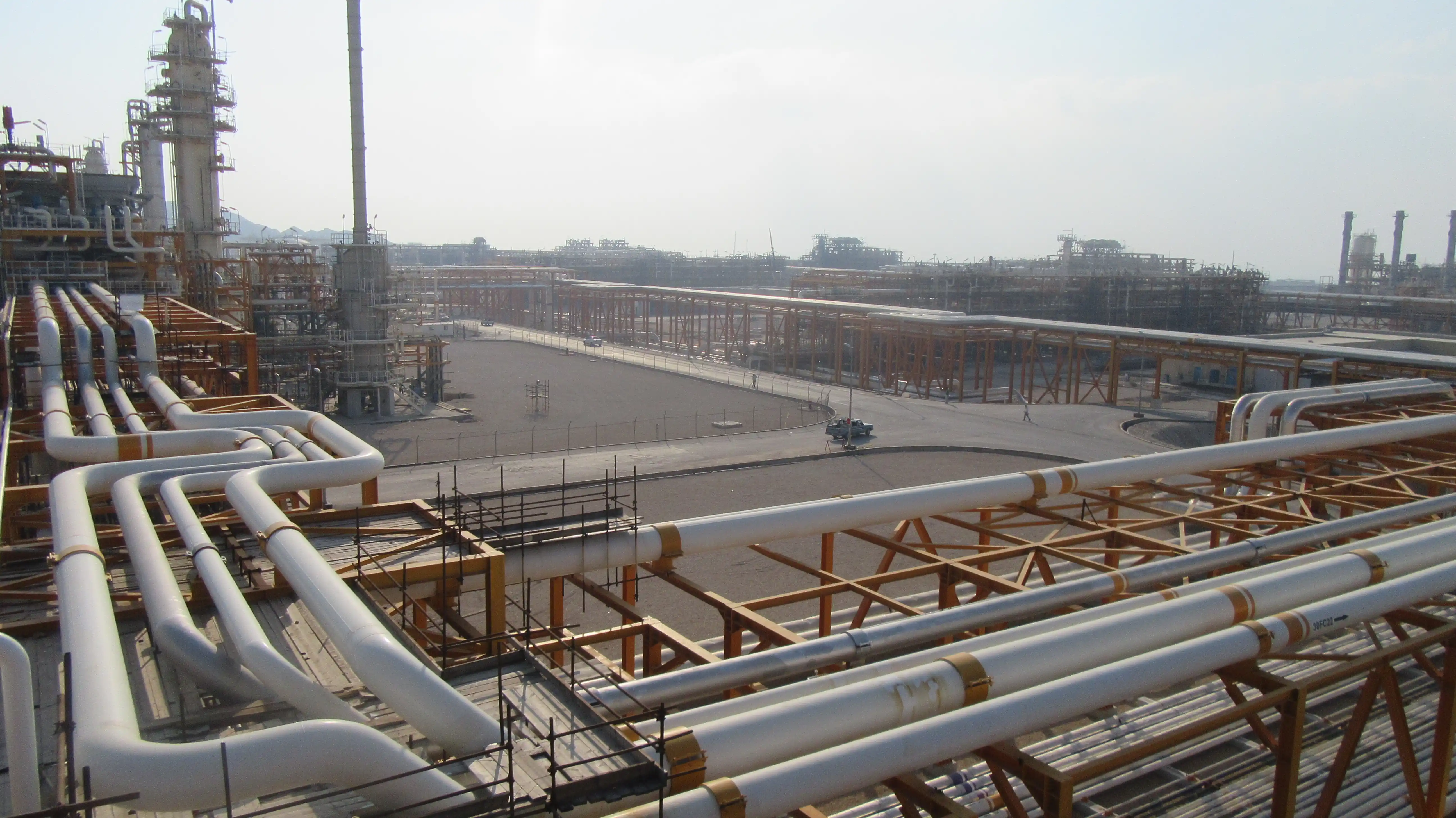
In many industrial projects, piping systems play a primary role in fluid transportation and are widely recognized as the core of the process. Accurate pipeline installation, proper piping material selection, and continuous quality control have a decisive impact on the stable and reliable performance of process units.
In projects executed by Exir Sanat, design and construction teams have implemented industrial piping systems according to international standards.
The teams based their work on actual environmental conditions and operating requirements to ensure optimal performance and reliability.
Projects such as the Ethane Recovery Unit at Bandar Imam Refinery, sour gas piping for Phase 14 of South Pars, and low-temperature piping systems for Iran LNG demonstrate that high-performance materials, precise stress analysis, and advanced engineering software significantly increase pipeline service life.
These solutions also help reduce maintenance and repair costs, ensuring long-term efficiency for all piping systems.
In these projects, Exir Sanat’s engineering teams focused on optimizing industrial piping execution.
They successfully achieved a balance of safety, operational efficiency, and equipment durability.
These field experiences confirm that industrial piping is more than an execution task.
It represents the intersection where engineering expertise, quality assurance, and practical experience come together to define project success.
Execution Challenges and Practical Solutions in Industrial Piping
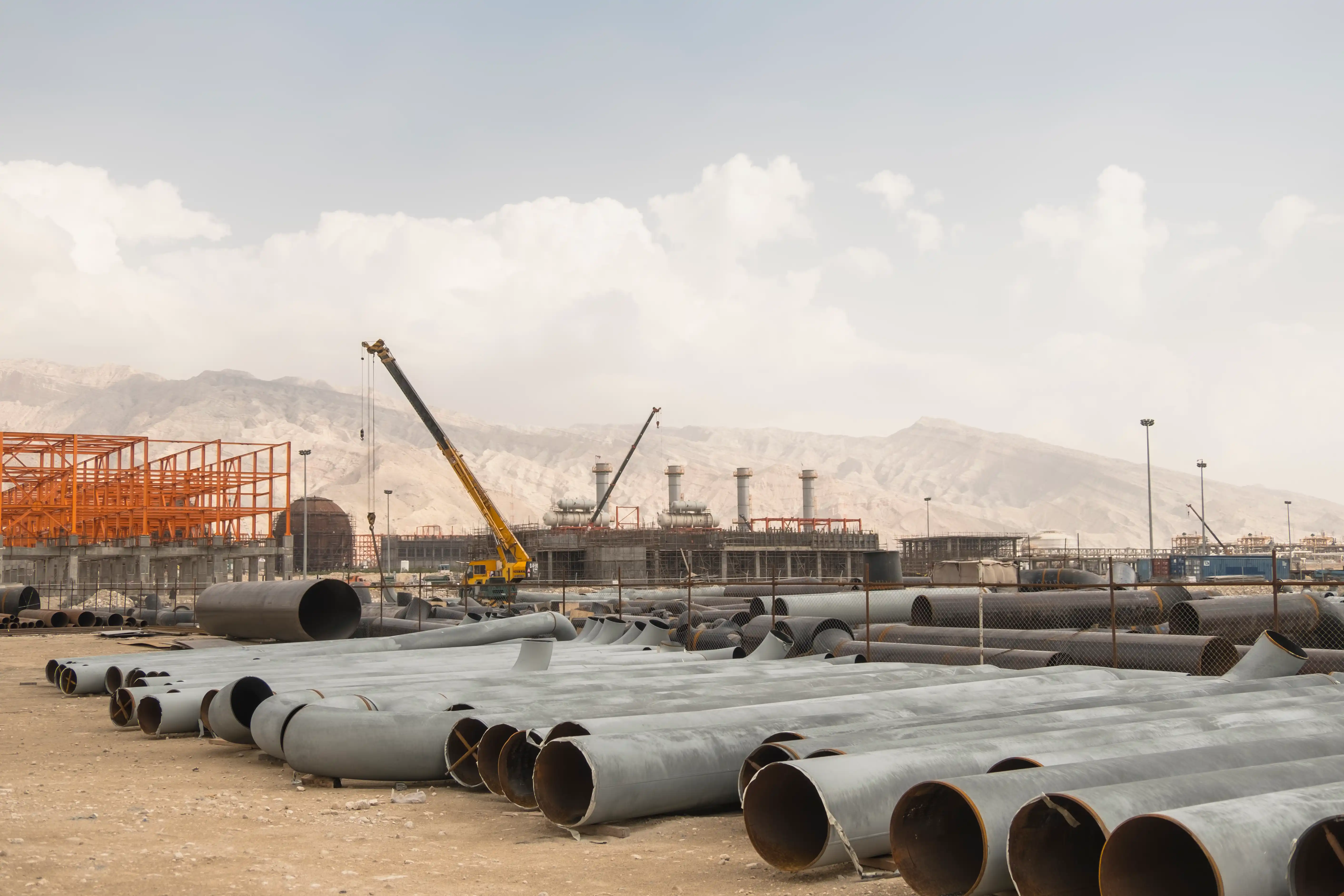
Industrial piping systems are among the most critical components of oil and gas, petrochemical, and industrial projects. Accurate execution, proper piping material selection, and strict compliance with safety regulations directly determine the reliability, durability, and overall performance of process facilities. However, real-site
Key Challenges in Industrial Piping Execution
The execution of piping systems in large-scale projects involves a wide range of technical challenges. Specifically, environmental conditions, high operating pressures and temperatures, space limitations, and the sensitivity of piping connections significantly complicate accurate industrial piping execution.
Therefore, in industrial environments, engineering and construction teams must simultaneously manage welding, installation, pressure testing, and insulation activities. This requires precise coordination between design, engineering, and site execution teams to ensure efficient and safe project delivery.
Quality Control and Standardization in Piping Projects
In Exir Sanat’s piping projects, quality control is actively implemented throughout all execution phases. Furthermore, engineering teams select piping materials in accordance with ASME B31.3, API 5L, and NACE MR0175 standards, while simultaneously performing non-destructive testing (NDT) and continuous pipeline performance monitoring.
As a result, these structured quality control processes effectively prevent cracking, corrosion, and leakage in piping systems, and consequently significantly enhance overall project durability and reliability.
Application of Technology in Piping Design and Installation
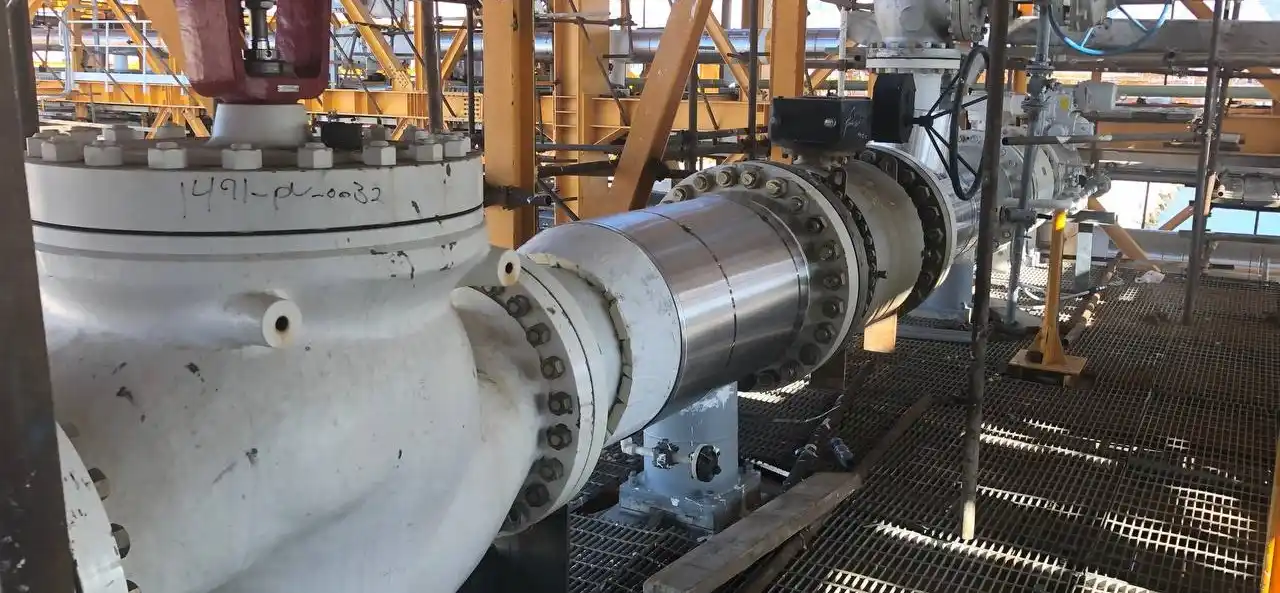
One of the key strengths of piping execution at Exir Sanat lies in the extensive use of 3D modeling and advanced engineering software such as AVEVA E3D and PDMS. These technologies enable engineers to simulate piping routes, fittings, and equipment layouts prior to construction, effectively preventing structural interferences. As a result, projects achieve faster installation, reduced rework, and optimized piping layouts, leading to improved execution efficiency.
Field Experience and Execution Process Optimization
Field experience gained from piping projects executed by Exir Sanat Bakhtari demonstrates that the integration of engineering analysis, proper material selection, and continuous supervision is the key to successful project delivery. Piping execution in projects such as the Ethane Recovery Unit at Bandar Imam Refinery and the sour gas project of South Pars Phase 14 exemplifies this approach. These projects have proven that accurate engineering management can significantly reduce execution time and overall project costs.
Conclusion
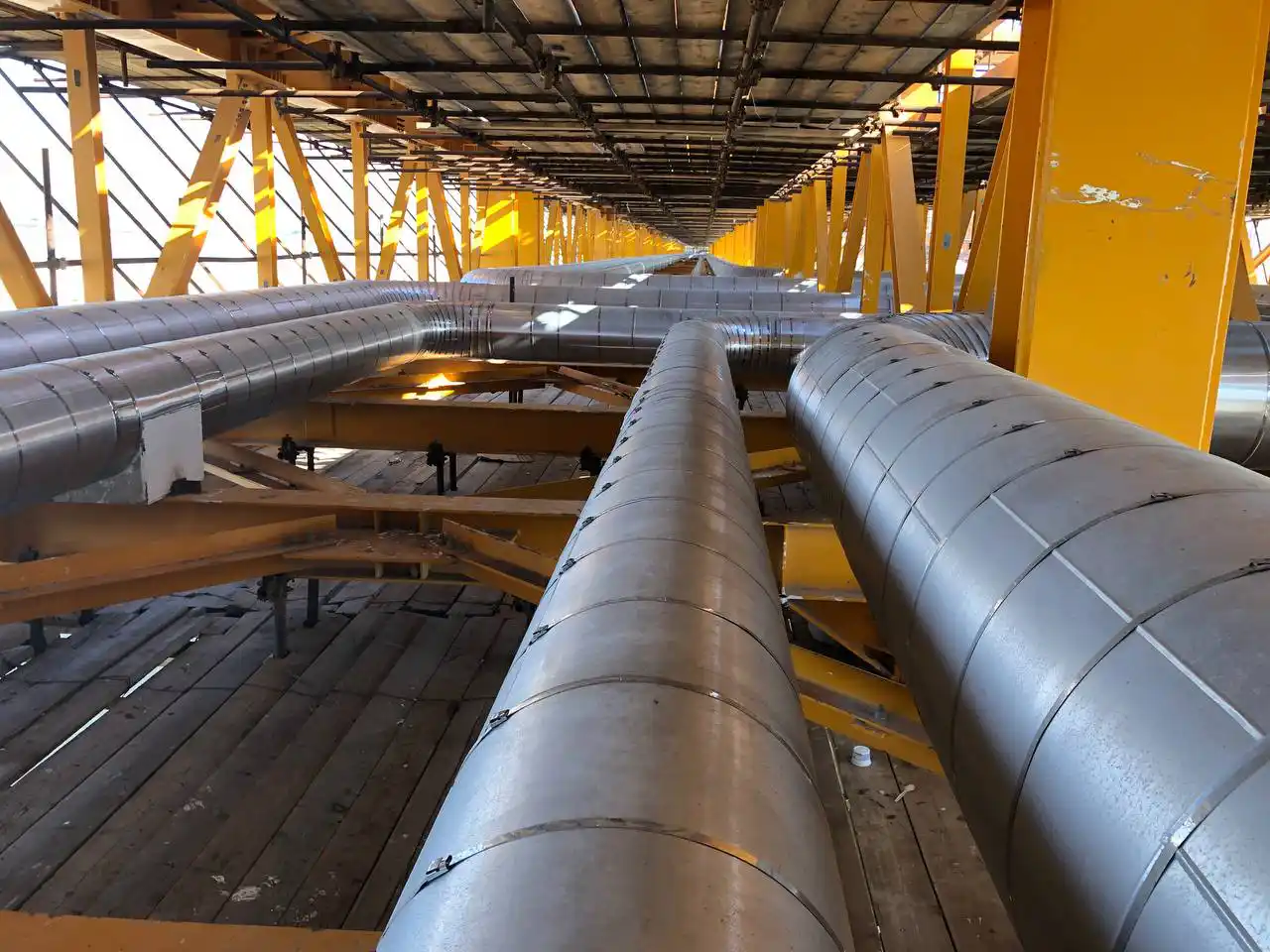
Successful execution of industrial piping systems requires a balanced combination of engineering expertise, field experience, and disciplined project management. Proper material selection, sound engineering design, and continuous quality control form the three fundamental pillars that ensure the safe, reliable, and long-term performance of pipeline systems.
An evaluation of projects executed by Exir Sanat Bakhtari confirms that the application of international standards, specialized engineering software, and modern construction management practices reduces errors, saves time, and enhances equipment durability. Moreover, industrial piping is not merely an installation activity; instead, it represents a core element of overall project engineering that directly determines the final quality and performance of industrial facilities.
Furthermore, through a systematic engineering-driven approach, Exir Sanat Bakhtari has demonstrated that piping execution can simultaneously deliver technical precision, economic efficiency, and long-term sustainability. As a result, these practices guide the industry toward greater standardization and continuous improvement.