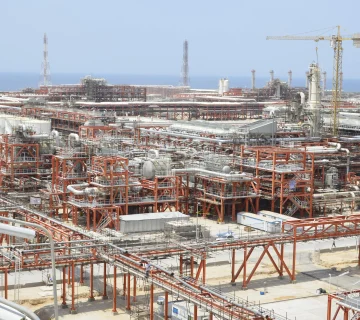
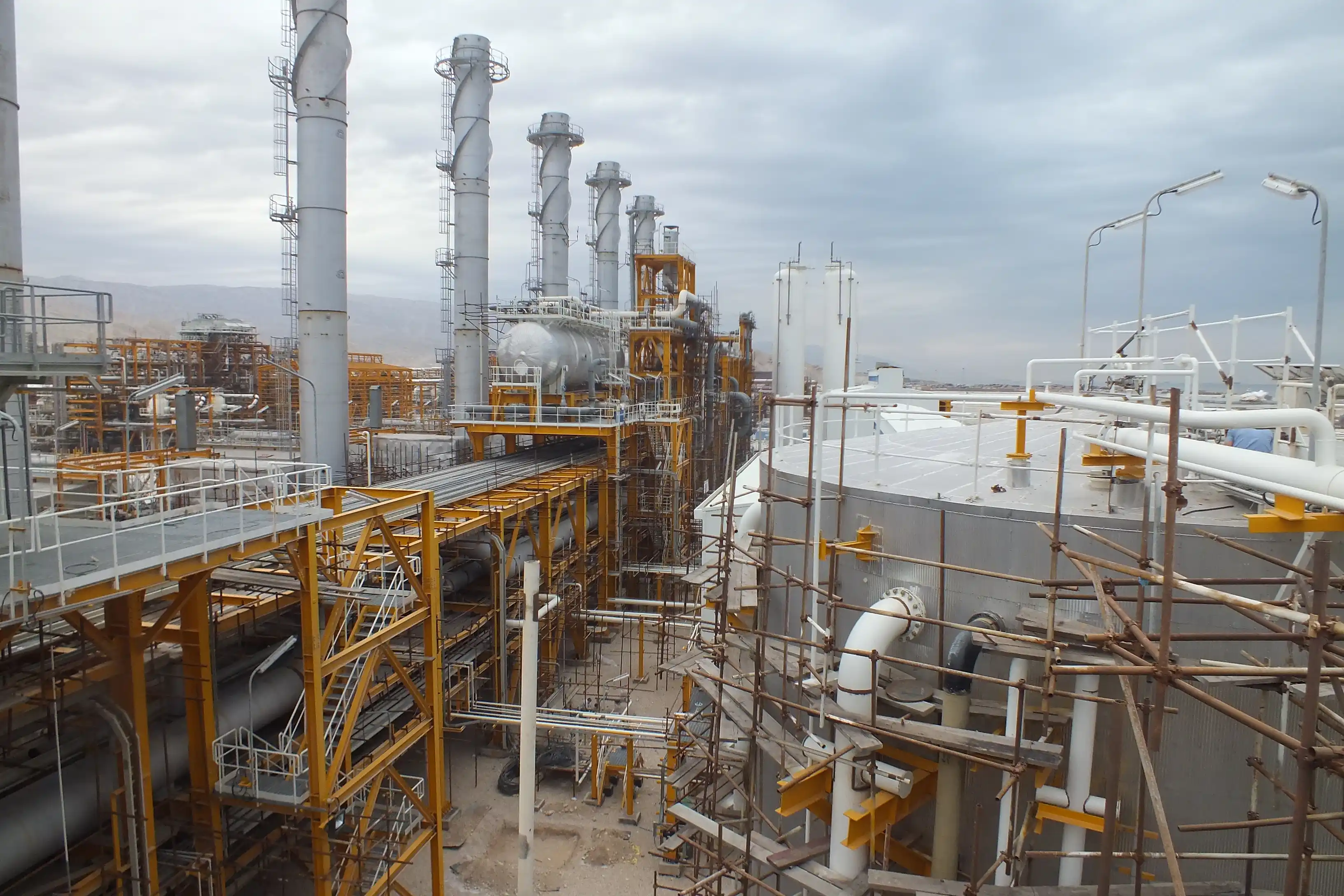
Industrial piping systems form the backbone of process industries such as oil and gas and petrochemicals. These systems provide reliable routes for transporting process fluids and energy carriers and play a critical role in the overall performance of industrial facilities. Successful piping execution requires strict compliance with international piping standards, accurate material selection, and the effective use of engineering software.
Key Standards in Industrial Piping
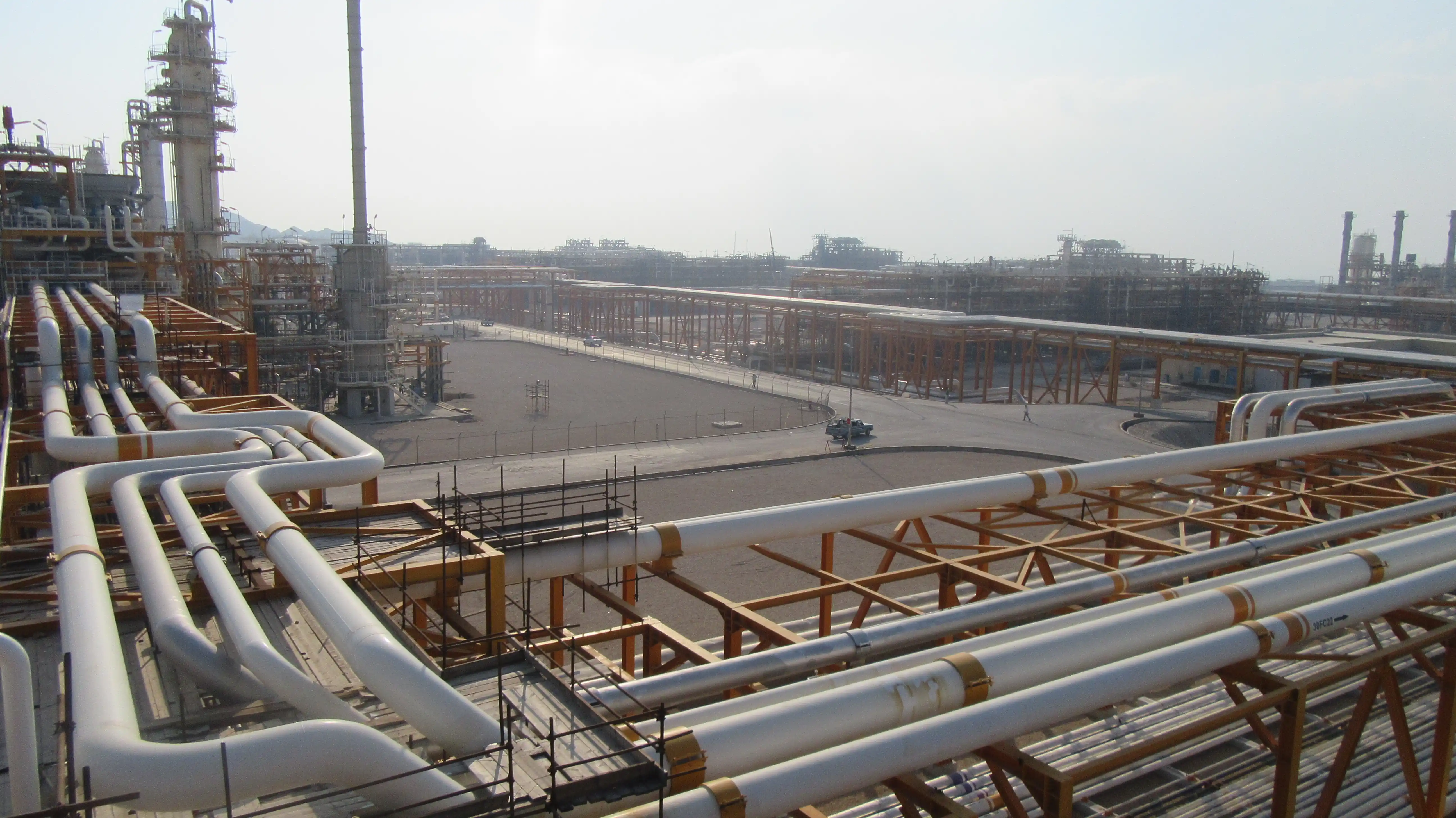
Standards establish the foundation for the design and execution of industrial piping systems. The most important piping standards include:
- ASME B31.3 – Governs the design and construction of process piping, including materials, fittings, and pressure testing
- ASME B31.4 – Covers liquid transmission pipeline systems
- ASME B31.8 – Applies to gas transmission and distribution pipelines
- API 5L – Defines mechanical properties and strength requirements for oil and gas transmission pipes
- NACE MR0175 / ISO 15156 – Specifies material selection for corrosion-resistant service in oil and gas environments
By following these standards, engineering teams ensure that piping systems remain safe, reliable, and durable. In addition, standards help engineers optimize material selection and piping design while preventing premature failures.د.
Material Selection in Industrial Piping
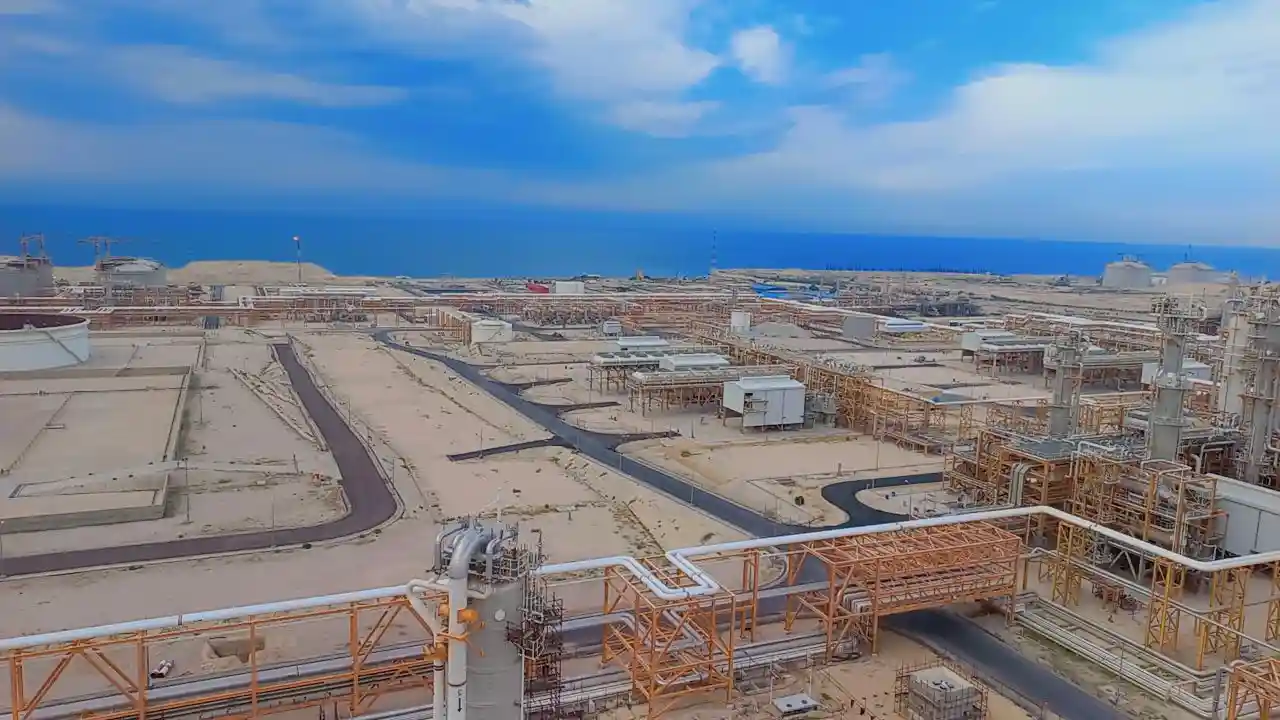
Accurate material selection plays a decisive role in the success of industrial piping projects. Key selection criteria include:
- Process temperature and pressure
- Corrosive or abrasive properties of the fluid
- Required mechanical strength and service conditions
The use of alloy steels, corrosion-resistant materials, and API 5L-compliant pipes increases system durability and reduces long-term maintenance costs. In projects executed by Exir Sanat, engineering teams carefully select piping materials based on actual process conditions and environmental factors to ensure pipeline safety and extended service life.
Application of TechIndustrial Piping Design Principles
Effective industrial piping design integrates engineering analysis and digital tools, including:
- Stress and flexibility analysis using Caesar II
- 3D modeling of piping routes, fittings, and equipment with PDMS and AVEVA E3D
- Planning of installation, testing, and maintenance activities
These design practices reduce rework, accelerate installation schedules, and improve overall system efficiency and constructability.
Execution Challenges and Engineering Solutions in Industrial Piping
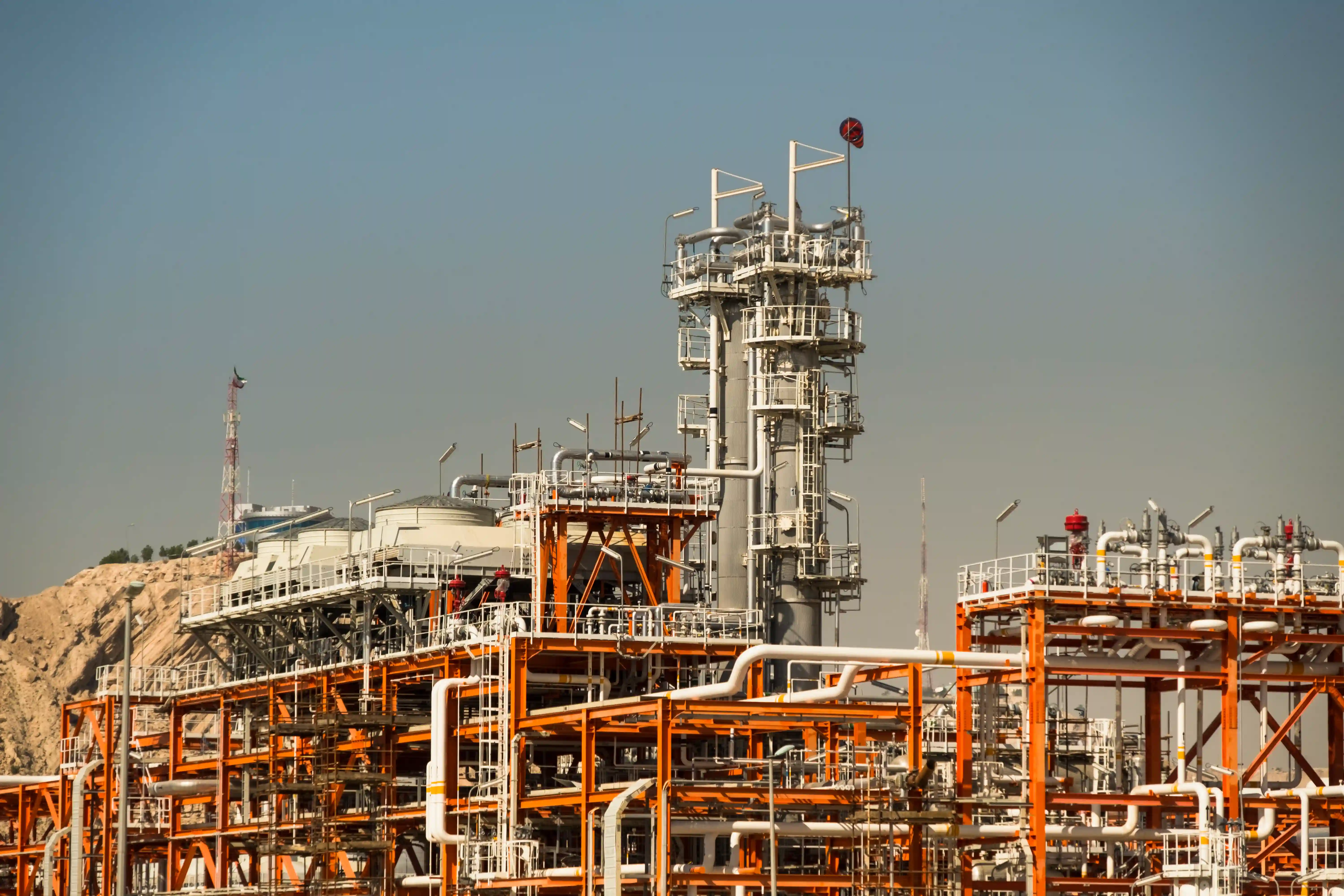
Industrial piping projects face multiple execution challenges that require precise engineering management:
- Space limitations and complex piping routes: Existing equipment and structures restrict available space and complicate direct pipeline installation. 3D modeling allows engineers to simulate routing paths and resolve clashes before construction.
- High-pressure and high-temperature operating conditions: Process lines often operate under severe conditions that generate stress and material fatigue. Selecting materials in accordance with ASME B31.3 and API 5L and performing stress analysis with Caesar II significantly enhance system safety and service life.
- Corrosion and mechanical fatigue: Corrosive fluids and temperature fluctuations accelerate pipeline degradation. Engineers increase durability by using corrosion-resistant steels, protective coatings, and non-destructive testing (NDT).
- Coordination between engineering and construction teams: Design, material selection, installation, and testing require close coordination. Engineering planning, phased quality control, and coordination meetings ensure orderly execution and minimize errors.
Field experience from Exir Sanat projects confirms that applying these solutions significantly improves piping safety and long-term reliability.
Practical Project Experience of Exir Sanat
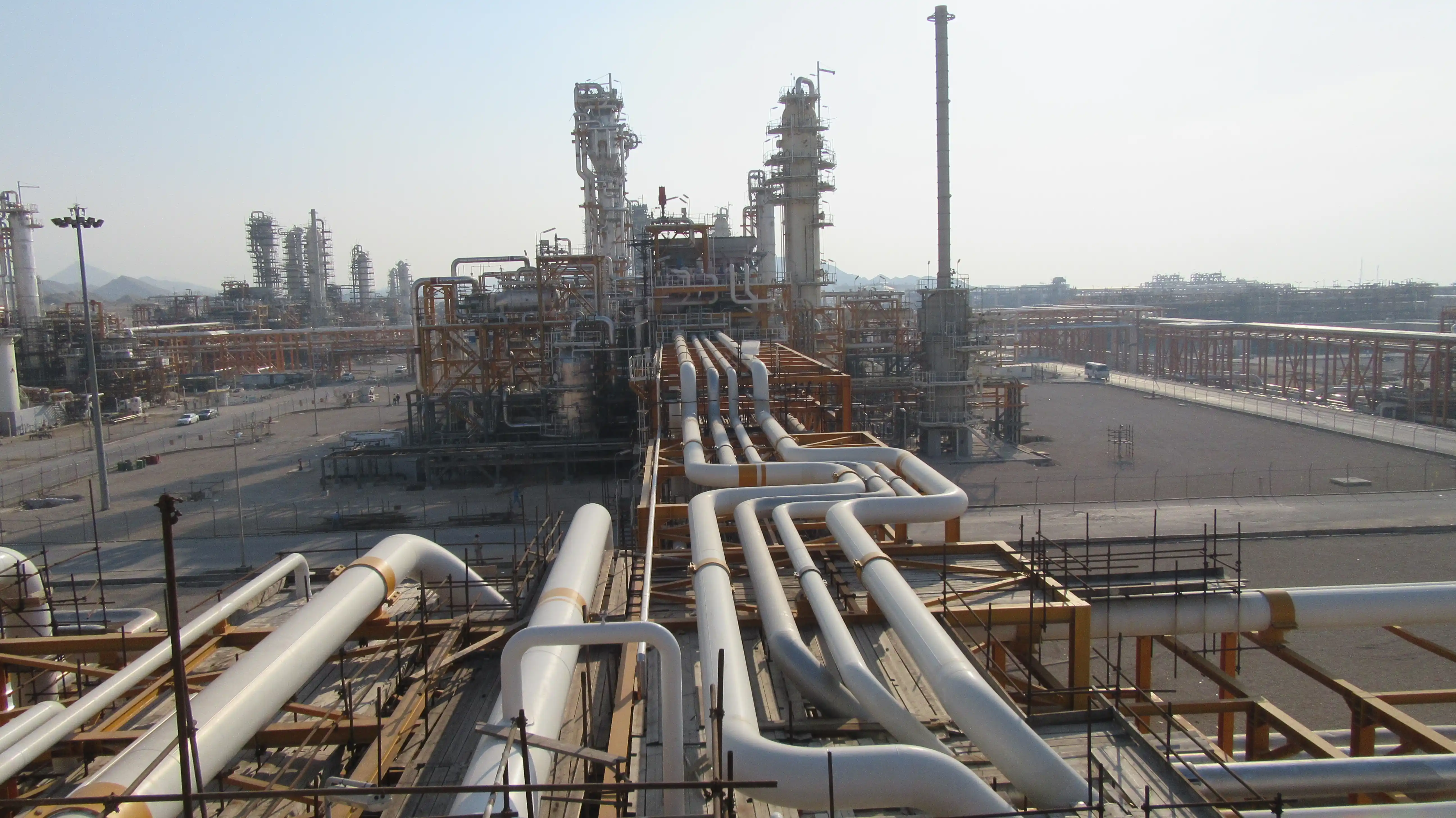
By adhering to engineering principles and international standards, Exir Sanat has successfully executed several major industrial piping projects, including:
- Ethane Recovery Unit piping at Bandar Imam Refinery
- 32-inch sour gas pipeline for South Pars Phase 14
- Low-temperature piping systems for the Iran LNG project
- Steam pipeline rehabilitation at Isfahan Steel Power Plant
Across all these projects, proper material selection, detailed engineering analysis, and continuous
quality control increased safety, minimized rework, and ensured long pipeline service life.
Successful industrial piping execution requires a balanced combination of engineering knowledge, field experience, and disciplined project management. Three core factors determine project success:
- Accurate material selection based on process conditions
- Precise engineering design and pipeline analysis
- Continuous quality control throughout all project phases
By following international standards and utilizing advanced engineering software, Exir Sanat delivers safe, reliable, and durable industrial piping systems. Industrial piping goes far beyond pipe installation; it represents a critical element of overall project engineering that directly defines the final quality and performance of industrial facilities.